


Free U.S.A. Shipping on orders over $70!





· By SEO Analytics
Why Grass Fed Tallow Soap is Best for Dry & Sensitive Skin
If you struggle with dry, itchy, or sensitive skin, switching to grass fed tallow soap could be the natural skin solution you’ve been looking for. Unlike commercial soaps made with detergents and artificial ingredients, grassfed soaps are crafted from nutrient-rich beef tallow sourced from pasture-raised cattle. Because tallow closely resembles the natural oils our skin produces, it absorbs easily, delivers deep hydration, and supports long-term skin repair.
More people are turning to tallow body soap and organic tallow soap as a clean alternative to harsh skincare products filled with chemicals and preservatives. In this guide, we’ll explore the benefits, the science behind tallow, and why grass-fed sourcing matters for skin health.
What Is Grass-Fed Tallow Soap?
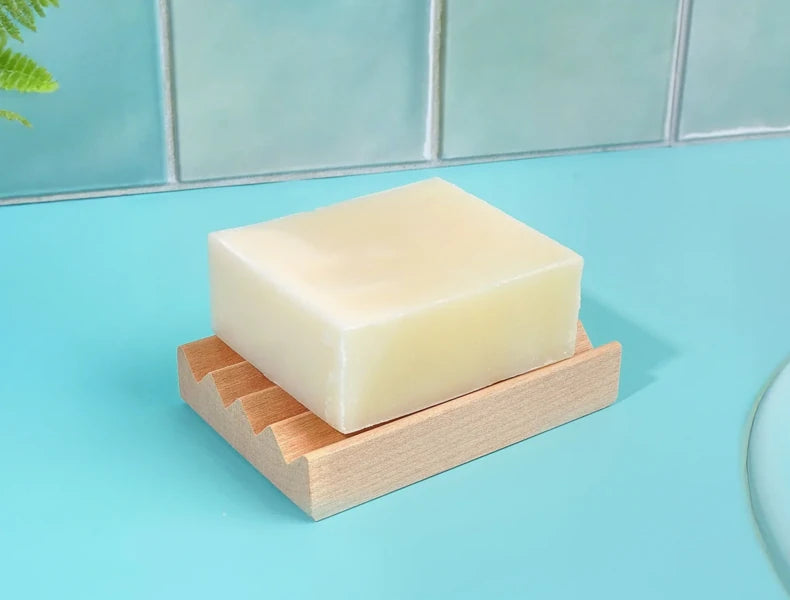
Grass fed tallow soap is made by gently refining and purifying high-quality tallow. When this tallow is blended with lye through a process called saponification, it transforms into a rich, creamy soap. Clean, naturally sourced tallow contains elevated levels of vitamins, antioxidants, and fatty acids that are essential for healthy, nourished skin.
Why It Matters That the Tallow Is Grass-Fed
Grass-fed beef tallow contains higher levels of fat-soluble vitamins like A, D, E, and K, as well as beneficial fatty acids such as stearic acid, palmitic acid, and conjugated linoleic acid (CLA). These nutrients help strengthen the skin’s protective barrier, reduce inflammation, and support collagen production.
In comparison, tallow sourced from less natural or grain-based environments may contain fewer nutrients and more compounds that are not as beneficial for the skin. Choosing grass-fed ensures a cleaner, more effective skincare product.
Why Grass-Fed Tallow Soap Is Ideal for Dry & Sensitive Skin
Many people using commercial soaps experience tightness, redness, burning, and peeling after washing. That’s because most mass-market bars are made with synthetic detergents and chemicals like sulfates, parabens, and petroleum byproducts. These additives strip natural moisture and weaken the skin barrier.
Grass fed tallow soap works differently. Instead of removing essential oils, it replenishes them.
Key Benefits for Dry & Sensitive Skin
1. Deep, Long-Lasting Moisturization
Tallow’s fatty acid profile is almost identical to the lipids in human skin. When applied, it melts into the skin easily and provides soothing moisture that lasts long after washing.
2. Helps Repair the Skin Barrier
If your skin barrier is damaged from eczema, sensitivity, or over-exfoliation, grass-fed tallow supports healing by sealing in hydration and reducing trans-epidermal water loss.
3. Naturally Anti-Inflammatory and Comforting
CLA and omega fatty acids found in tallow help calm irritation, redness, and itchiness.
4. Non-Comedogenic and Gentle
It does not clog pores or trigger inflammation, making it suitable for acne-prone skin as well as extremely sensitive skin.
5. Nutrient-Dense Skin Support
Vitamins A, D, E, and K help skin regenerate, maintain elasticity, and stay youthful and bright.
For these reasons, even individuals with eczema, psoriasis, dermatitis, rosacea, and newborn babies often prefer tallow-based products.
Grass-Fed Tallow Soap vs. Plant-Based Vegan Soaps
Many plant-oil soaps, like those made with olive or coconut oil, can still leave skin feeling dry because they lack the full range of fatty acids and vitamins that tallow provides. Coconut oil, for example, is cleansing but can sometimes pull moisture from the skin, which may cause irritation.
By comparison, grass fed tallow soap mimics human skin oils, offering a more natural and balanced moisturization.
How They Compare
-
Tallow soap hydrates deeply, while some plant-based soaps can leave a dry or squeaky feeling.
-
Tallow contains bioavailable nutrients that the skin immediately recognizes and uses for repair.
-
Tallow has a neutral pH and gentle cleansing profile, making it ideal for sensitive skin types.
- Tallow creates a rich creamy lather without needing synthetic foaming agents.
Simply put, tallow performs better for skin regeneration and moisture retention.
What Makes Organic Tallow Soap a Cleaner Choice
Many commercial soap brands include synthetic fragrances, dyes, preservatives, fillers, and ingredients that disrupt hormones and trigger allergic reactions. Choosing organic tallow soap ensures your skincare is free from toxins.
Clean-Beauty Advantages
-
No parabens or sulfates
-
No artificial fragrances or colors
-
No phthalates or petroleum-based chemicals
-
Biodegradable and eco-friendly
- Safe for sensitive skin types and children
Natural skincare means fewer ingredients, and fewer opportunities for irritation.
How Grass-Fed Tallow Soap Supports Healthy Skin Aging
As we age, our skin produces less collagen and sebum, which dries the skin and weakens elasticity. The fatty acids in tallow body soap feed skin cells with the building blocks they need to regenerate.
Anti-Aging Benefits
-
Helps smooth fine lines and wrinkles
-
Improves skin plumpness and texture
-
Protects against environmental damage
-
Supports production of collagen and elastin
Many users report noticeably softer, clearer, and more even-toned skin after switching to tallow.
Who Should Use Grass-Fed Tallow Soap?
This type of soap is perfect for:
-
People with dry or cracked skin
-
Those with sensitive skin conditions
-
Individuals who react to synthetic or scented products
-
Athletes and outdoor workers exposed to harsh conditions
-
Babies and children needing gentle cleansing
-
Anyone wanting natural, minimal-ingredient skincare
Because of its natural compatibility with skin, it is safe for all ages and skin types.
How to Choose a High-Quality Grass-Fed Tallow Soap
When shopping, look for:
-
100% grass-fed and pasture-raised tallow
-
Minimal ingredients (no unpronounceable chemicals)
-
Cold-processed methods to preserve nutrients
-
Organic essential oils or unscented options
- No synthetic fragrances
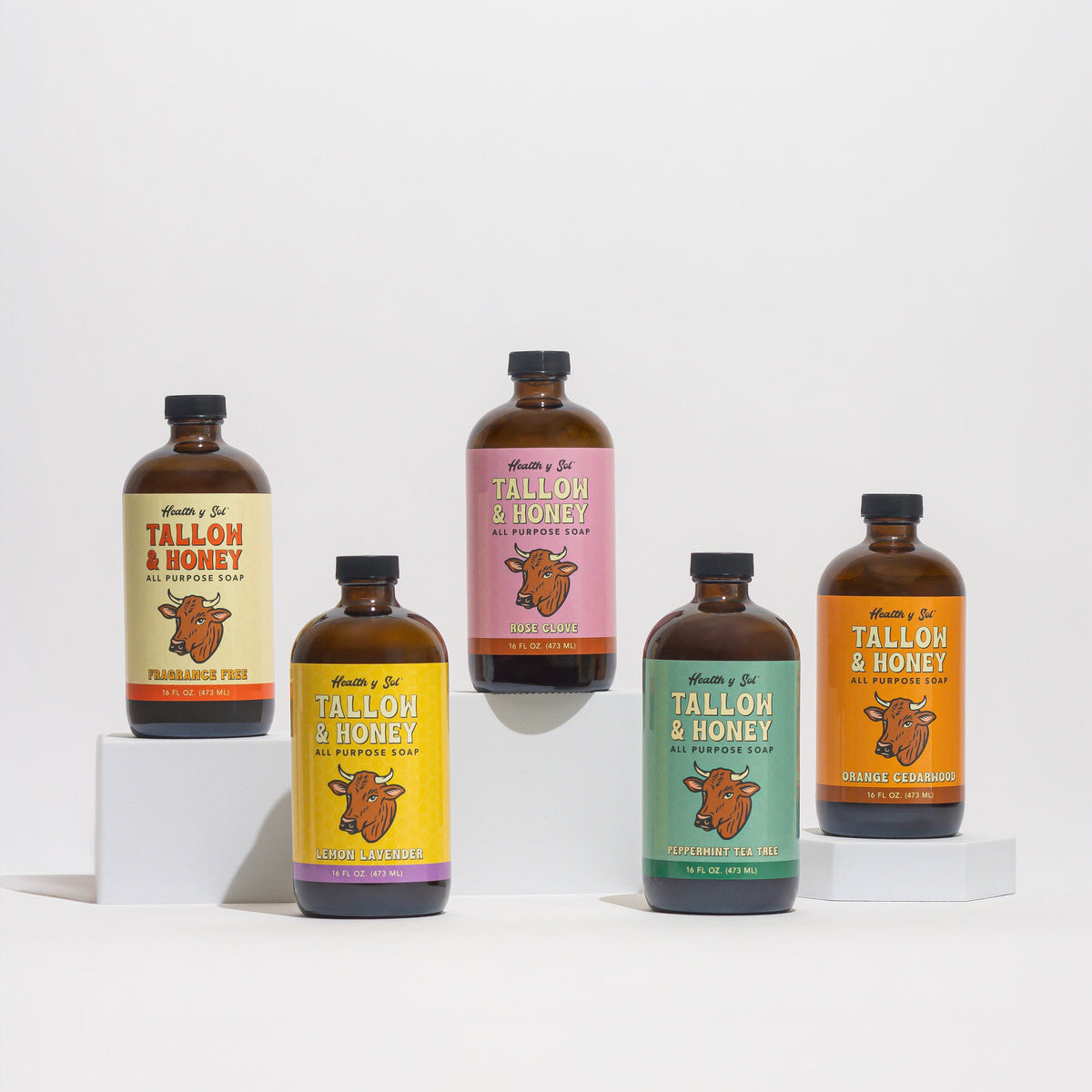
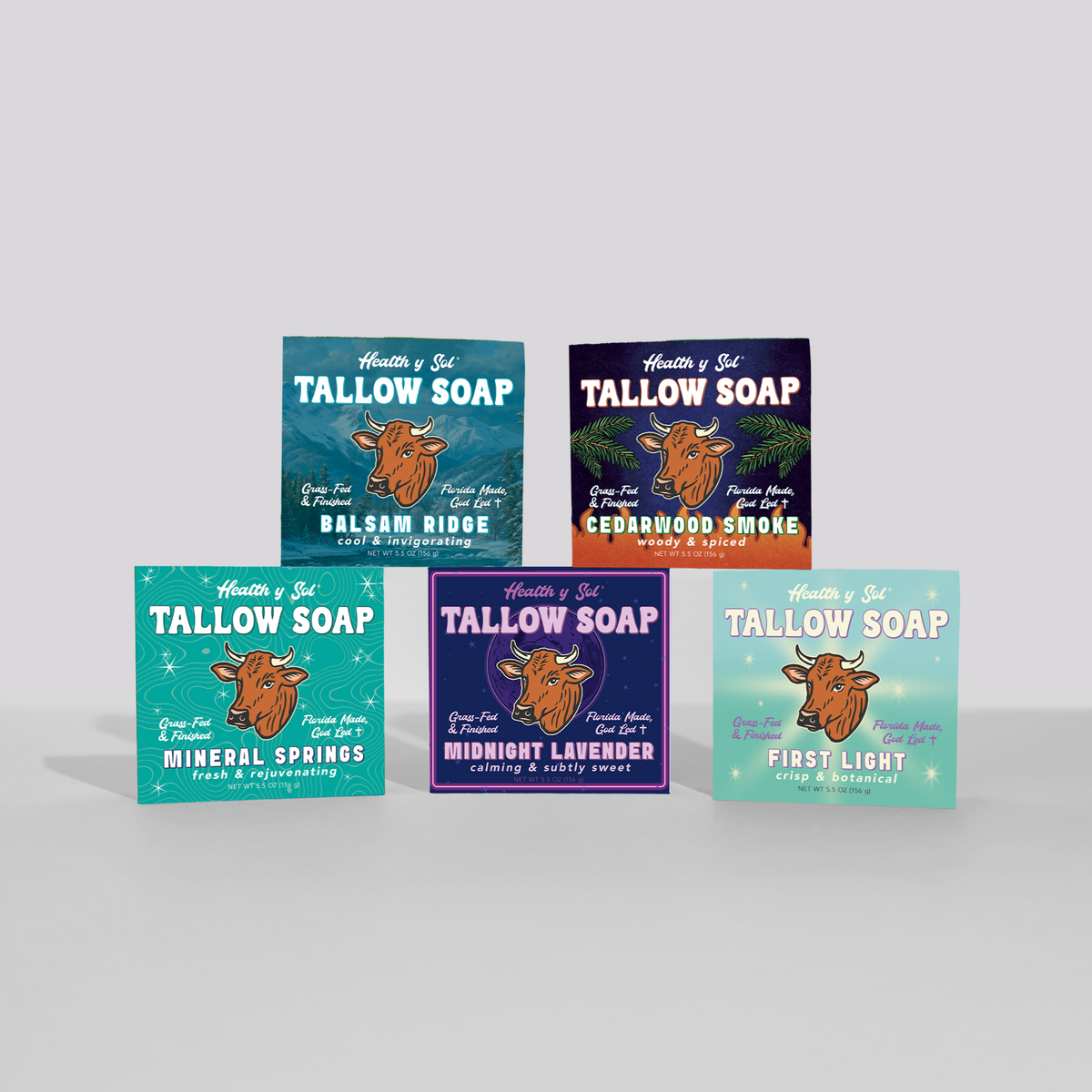
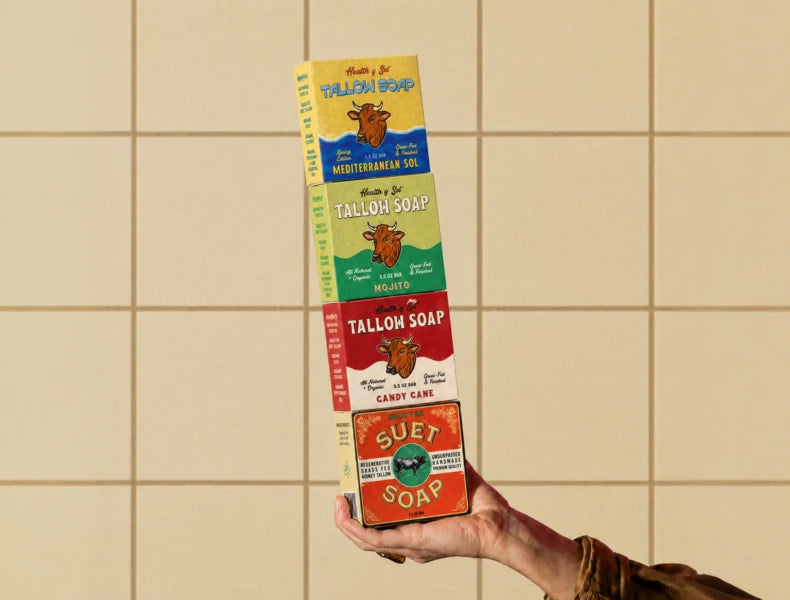
Health y Sol for example, handcrafts real tallow soap from grass-fed cattle and clean natural ingredients, the way traditional soap was made before industrial fillers became the norm.
How to Use Grass-Fed Tallow Soap in Your Daily Routine
You can use tallow soap:
-
As a daily facial cleanser
-
As a body wash bar
-
As a shaving bar
-
As a shampoo bar for dry scalp
-
For babies during bath time
Because it’s ultra-moisturizing, most people find they need less lotion afterward.
Why More People Are Switching to Grassfed Soaps
Consumers today want simple, pure ingredient skincare that works with the body instead of against it. Tallow soap offers:
-
Reduced irritation
-
Reduced flaking and itching
-
Clean beauty with zero toxins
-
Better hydration and natural glow
- Support for sustainable, regenerative farming
It’s a return to traditional skincare that genuinely nourishes the body.
Conclusion
Choosing grass fed tallow soap is one of the most effective and natural ways to heal and protect dry or sensitive skin. Its rich nutrients, anti-inflammatory properties, and deep hydration make it superior to commercial synthetic soaps and many plant-oil-based alternatives. Whether you’re looking to reduce irritation, support skin repair, or transition to cleaner personal care, tallow soap offers a gentle and powerful solution.
If you’re ready to restore your skin health with a natural, handcrafted soap, explore premium tallow skincare at Health y Sol, your source for clean, nutrient-dense products made from 100% grass-fed ingredients.
Frequently Asked Questions
1. Is grass-fed tallow soap safe for sensitive skin?
Yes, it is extremely gentle and beneficial for irritated or reactive skin.
2. Can tallow soap be used on the face?
Absolutely, its composition supports facial skin health and balances sebum.
3. Does grass-fed tallow soap help with eczema or psoriasis?
Many people with inflammatory skin conditions experience relief due to tallow’s soothing and restorative properties.
4. Is organic tallow soap better than store-bought soap?
Yes, because it contains natural nutrients without synthetic chemicals.
5. Is tallow soap environmentally friendly?
When sourced from pasture-raised cattle, it supports regenerative agriculture and reduces waste.