


Free U.S.A. Shipping on orders over $70!





· By SEO Analytics
Natural Sponge Loofah: Why It’s the Best Eco-Friendly Choice for Your Skin & Home
If you want a natural, eco-friendly way to improve your skincare routine, a natural sponge loofah is one of the best tools you can use. Unlike plastic shower poufs or chemically manufactured exfoliators, natural loofah sponges come from the dried interior fiber of the luffa plant, which grows similarly to squash. The plant-based texture gently exfoliates the skin, removes dead cells, and leaves your skin smoother and healthier.
With the increasing demand for sustainable personal care products, more people are switching to loofah natural sponge options to reduce plastic waste and support healthier skin. In this guide, we’ll cover everything you need to know about natural loofahs, what they are, why they’re beneficial, and how to use and care for them.
What Is a Natural Sponge Loofah?
A natural sponge loofah is a plant-based exfoliating bath tool created from the dried inner fibers of the luffa gourd, a vegetable that grows on vines in warm climates, similar to cucumbers or zucchini. When the gourd ripens and dries, the pulp is removed, leaving behind a natural network of fibers with a firm, spongy texture. Once softened with water, this fibrous structure becomes an effective exfoliating tool that gently removes dead skin cells, boosts circulation, and leaves skin smooth and refreshed.
Many people think that a loofah sponge comes from the ocean, but this is not true. It is a common misunderstanding. A loofah sponge natural is a plant product harvested from the luffa vine, while sea sponges are marine organisms collected from ocean floors. Sea sponges are soft, also biodegradable, but they are not vegan and their harvesting can disrupt marine ecosystems.
In contrast, natural loofah sponges are 100% vegan, cruelty-free, and grow like any other garden vegetable. They require sunlight, water, and soil, not chemical manufacturing or ocean harvesting. This makes them a more ethical and sustainable choice for people who want natural skin care solutions.
Because they come from renewable plant sources, natural sponge loofahs are fully biodegradable and compostable, unlike synthetic loofahs made from plastic mesh, which shed microplastics into water systems and end up in landfills. A natural loofah decomposes within weeks and safely returns to the soil, supporting eco-conscious living and reducing waste.
Another major advantage of a natural sponge loofah is versatility. While most people use them for exfoliating and bathing, they are also useful in kitchen cleaning, dishwashing, and household scrubbing once they soften from body use. This multi-purpose functionality makes them an excellent zero-waste alternative to plastic scrubbing pads.
Overall, a natural sponge loofah is an ideal choice for anyone seeking a cleaner, safer, and more sustainable approach to skincare and home care, without sacrificing performance.
Why Choose Natural Sponge Loofah Over Synthetic Bath Poufs?
1. Eco-Friendly & Biodegradable
Plastic shower puff balls and synthetic exfoliating tools shed microplastics that pollute water systems. A natural sponge loofah is compostable and breaks down naturally after use.
2. Better Exfoliation
The textured fibers of a loofah natural sponge help scrub away dead skin, clear pores, and improve skin smoothness without harsh chemicals.
3. Improves Circulation
Scrubbing with a loofah encourages blood flow, supporting firm, glowing skin.
4. Helps Prevent Ingrown Hairs
Regular exfoliation helps release trapped hair follicles and reduces razor bumps, great for shaving routines.
5. Long-Lasting & Affordable
With proper care, a loofah sponge natural can last several weeks and costs less than many exfoliating tools.
How to Use a Natural Sponge Loofah for Best Results
Using a natural sponge loofah is simple and highly beneficial to your daily shower routine:
-
Wet the loofah until soft.
-
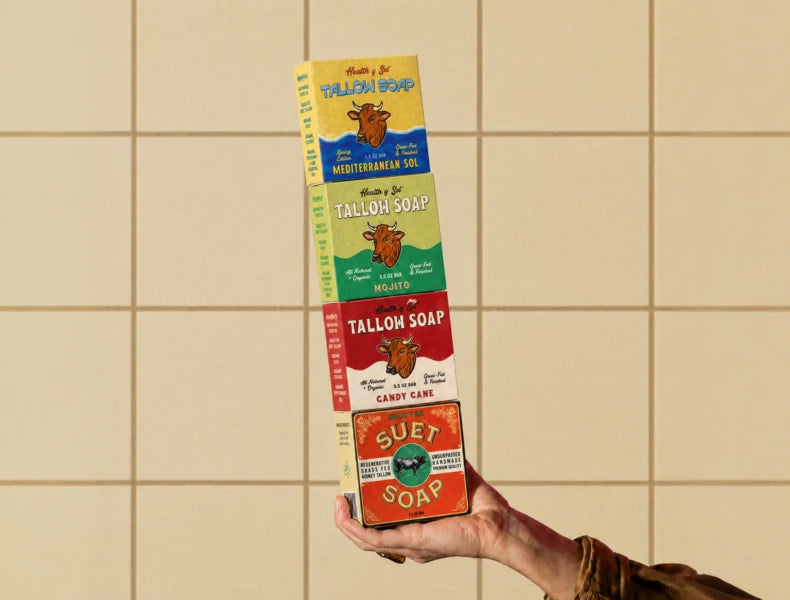
Apply soap or body wash. (Pairs perfectly with Organic Grass-Fed Tallow Soap for chemical-free cleansing.)
-
Gently scrub your body in circular motions.
-
Rinse thoroughly after use.
- Hang it to dry in good air circulation.
How Often Should You Use It?
Most people should exfoliate using a natural sponge loofah 2–3 times per week. If you have sensitive skin, start slower and adjust based on comfort.
Skin Benefits of Using Natural Sponge Loofah
Deep Cleansing
A natural loofah reaches deeper into pores than hands or washcloths.
Enhances Skin Texture
It removes dry, built-up skin for a smoother feel instantly.
Brighter, Healthier Appearance
Exfoliation improves cell turnover for younger-looking skin.
Helps Reduce Body Acne
Regular scrubbing can prevent clogged pores on the back, shoulders, and chest.
Natural Sponge Loofah for Sustainable Living
Switching to natural loofah sponges is an impactful way to lower waste. Synthetic loofahs never break down but instead release microplastics into oceans. In contrast, loofah sponge natural options:
-
Compost safely within a few weeks
-
Are grown naturally without toxins
- Support eco-friendly farming communities
Reuse Instead of Discarding
When the loofah becomes too soft for skin use, repurpose it for:
-
Dishwashing
-
Cleaning kitchen counters and sinks
-
Scrubbing bathroom tiles
- Garden compost and soil aeration
How to Care for Your Natural Sponge Loofah
Proper care keeps your loofah safe and fresh:
After Every Use
-
Rinse well to remove sweat and product residue
-
Squeeze out water
- Hang in a dry location with airflow
Disinfect Weekly
Use one of these methods:
-
Soak in hot water for 5 minutes
-
Microwave while damp for 30 seconds
- Soak in diluted vinegar or baking soda solution
Replace Every 3–4 Weeks
Signs that indicate it’s time to replace:
-
Musty smell
-
Mold or discoloration
- Loose or overly soft structure
Natural Sponge Loofah vs Sea Sponge vs Synthetic Loofah
Although all exfoliating sponges are not the same, here’s a simple comparison without using a table:
A natural sponge loofah is made from plant fibers and is completely biodegradable, vegan, and affordable, making it the best sustainable option. A synthetic loofah is made from plastic, does not break down, and contributes to pollution. A sea sponge is also natural and biodegradable but comes from marine harvesting and tends to be more expensive. If you want a budget-friendly, earth-friendly exfoliating tool, loofah sponge natural products are the ideal choice.
Who Should Use a Natural Sponge Loofah?
A natural loofah is great for:
-
Dry or flaky skin
-
Rough areas like heels, elbows, and knees
-
People who shave regularly
-
Acne-prone skin needing exfoliation
- Anyone switching to natural, zero-waste living
Avoid if you have:
-
Open wounds
- Severe eczema or inflamed skin
Always listen to your skin and adjust use as needed.
Where to Buy High-Quality Natural Sponge Loofah
For best results, choose a loofah that is:
-
100% plant-based
-
Untreated and chemical-free
-
Firm and durable
- Sustainably grown
You can find premium natural sponge loofah products at Health y Sol, where healthier skin and eco-friendly living come together.
Final Thoughts
Switching to a natural sponge loofah is a simple but powerful upgrade to your skincare routine and your environmental footprint. It exfoliates effectively, improves circulation, prevents ingrown hairs, and supports a zero-waste lifestyle, all while being gentle on the planet.
If you’re ready to replace plastic shower poufs with a sustainable alternative, a loofah sponge natural is the perfect choice. Your skin and the earth will thank you.
Frequently Asked Questions
1. How often should I replace a natural sponge loofah?
A natural sponge loofah should typically be replaced every 3 and 4 weeks, depending on usage and care habits. If you notice an odor, discoloration, or mold spots, it’s time for a new one. Since they are biodegradable, you can compost them instead of throwing them away.
2. Is a natural sponge loofah safe for sensitive skin?
Yes, a natural sponge loofah can be safe for sensitive skin when used gently and not more than 1 and 2 times per week. Always avoid scrubbing on irritated or broken skin and moisturize after exfoliation to prevent dryness.
3. How do I clean and disinfect my natural sponge loofah?
To keep your natural sponge loofah clean, rinse it well after each use, squeeze out excess water, and hang it in a dry place with airflow. Once a week, disinfect it by soaking it in hot water or a vinegar solution for a few minutes.
4. Can I use a natural sponge loofah on my face?
It is generally not recommended to use a natural sponge loofah on the face because facial skin is thinner and more delicate. It’s best for body exfoliation on areas like legs, arms, back, and feet. Use a softer facial exfoliating tool for the face.
5. What can I do with a natural sponge loofah when it wears out?
When a natural sponge loofah becomes too soft for body use, you can reuse it for household cleaning, such as scrubbing dishes, sinks, or countertops. Once fully worn out, simply compost it unlike synthetic loofahs, it breaks down naturally.